Pharmacy automation ethnographic research & opportunity mapping
Client: BD Rowa International
Role: Lead UX Researcher
Methods: Ethnographic Field Research, Workflow Mapping, Stakeholder Interviews, Expert Interviews, Concept Prioritisation
Scope: Pharmacies across DE, FR, ES, JP
BD Rowa, a leader in pharmacy automation, planned the next generation of its flagship system, Vmax. To guide development within a two-year timeline, the organisation needed clear, evidence-based priorities on where automation can deliver the most value in increasingly hybrid manual–automated workflows.
As a two-person research team, we conducted an international qualitative study to understand real pharmacy routines, uncover unmet needs and identify opportunities to strengthen usability, reliability and overall system performance.
Context
Pharmacies across different countries rely on a mix of manual routines and automation, but it was unclear how well existing systems supported real workflows. Internal assumptions were not enough to guide the next product generation.
Key challenges included:
understanding day-to-day workflows across four markets
identifying unmet needs that influence usability and adoption
distinguishing visible pain points from underlying behavioral patterns
defining improvements that fit a tight development timeline
aligning teams around what matters most to pharmacy staff
A grounded understanding of real-world usage was essential to setting meaningful design priorities.
Challenge
Recruitment & Screening
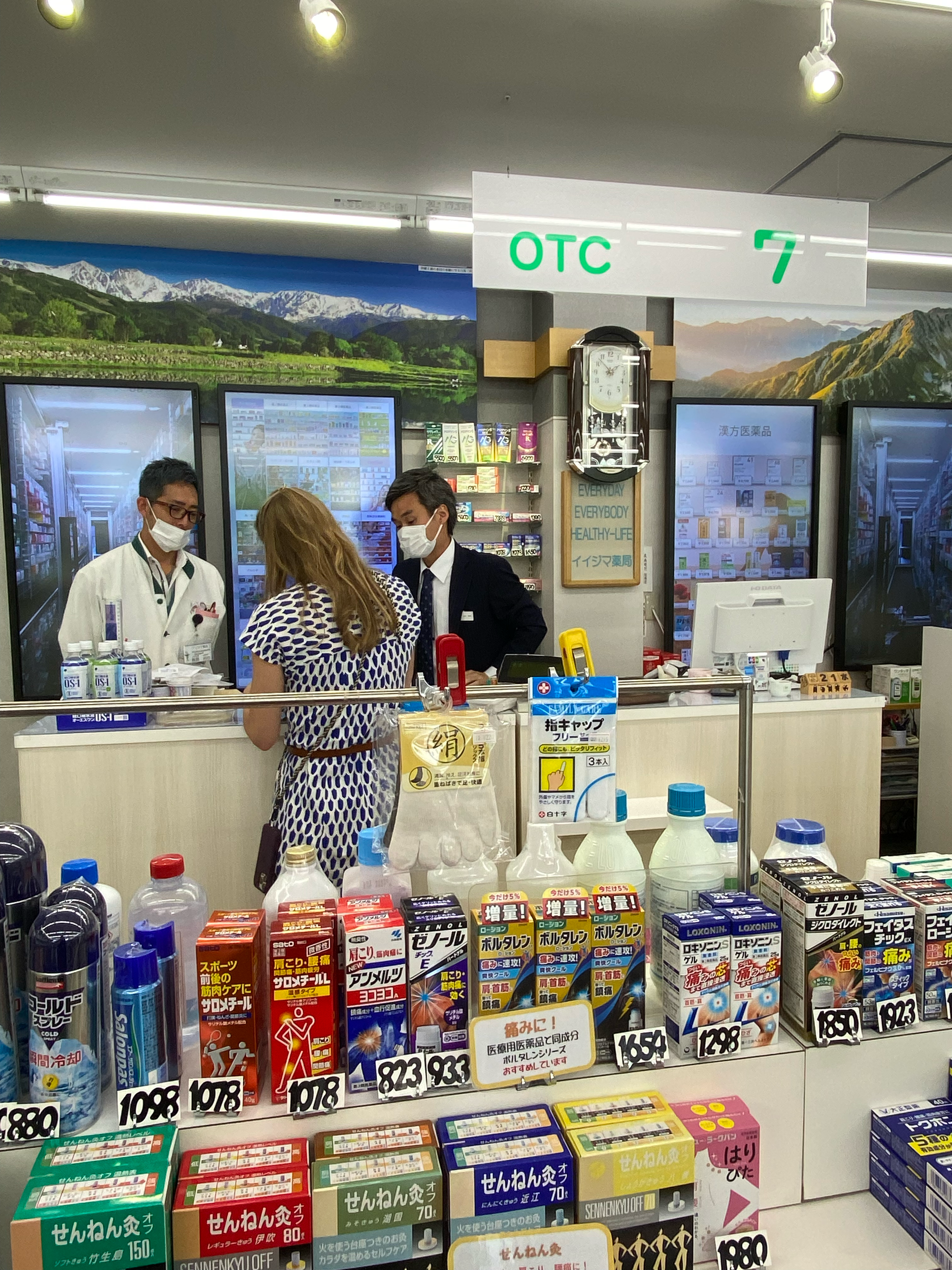
We recruited a representative mix of pharmacies across Germany, France, Spain and Japan to capture different pharmacy automation models, spatial constraints and team structures.Stakeholder Interviews
Early conversations with BD Rowa’s product, engineering and commercial teams helped reveal existing assumptions, strategic intentions and areas where clarity was still missing.Ethnographic Field Studies
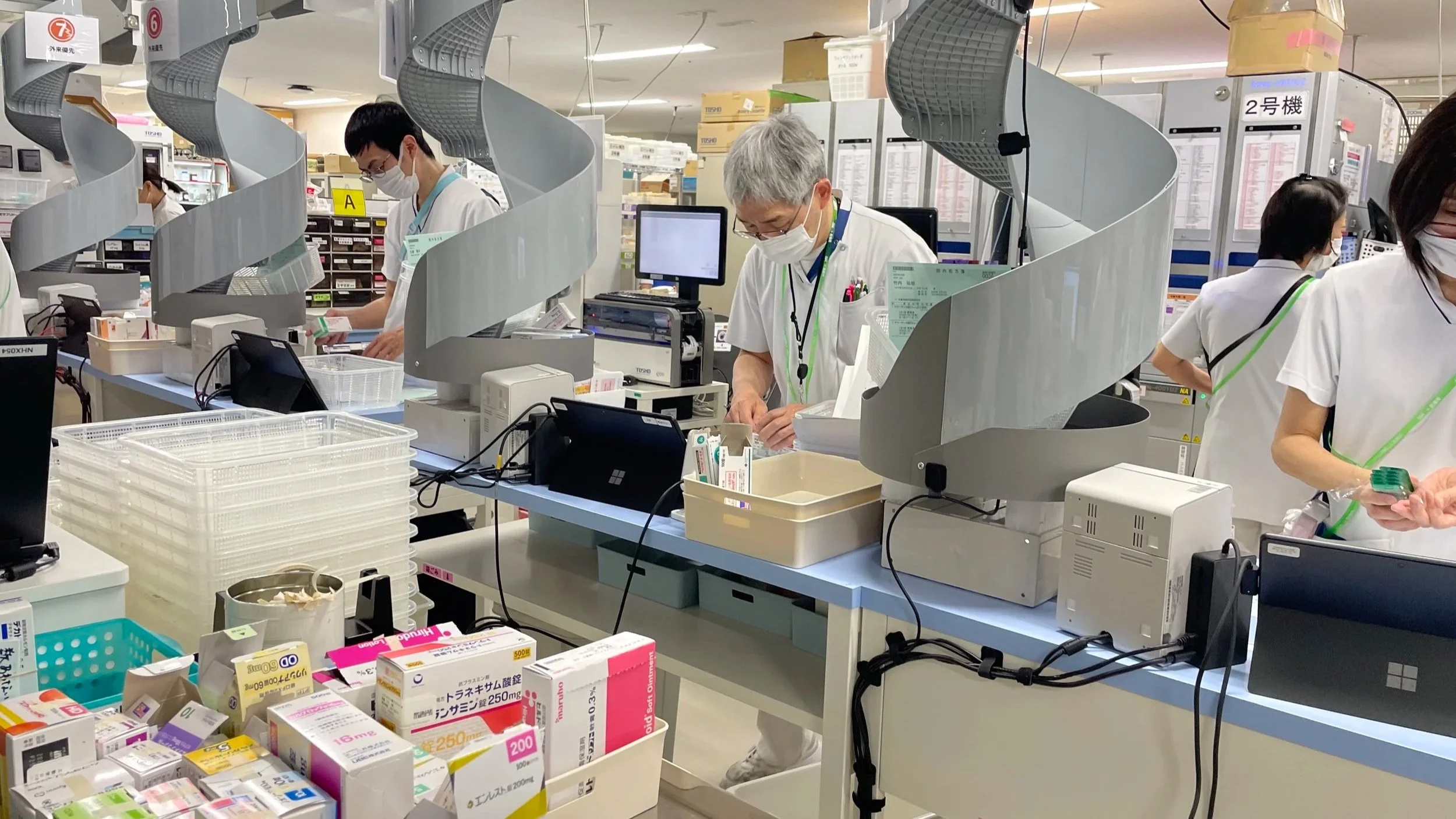
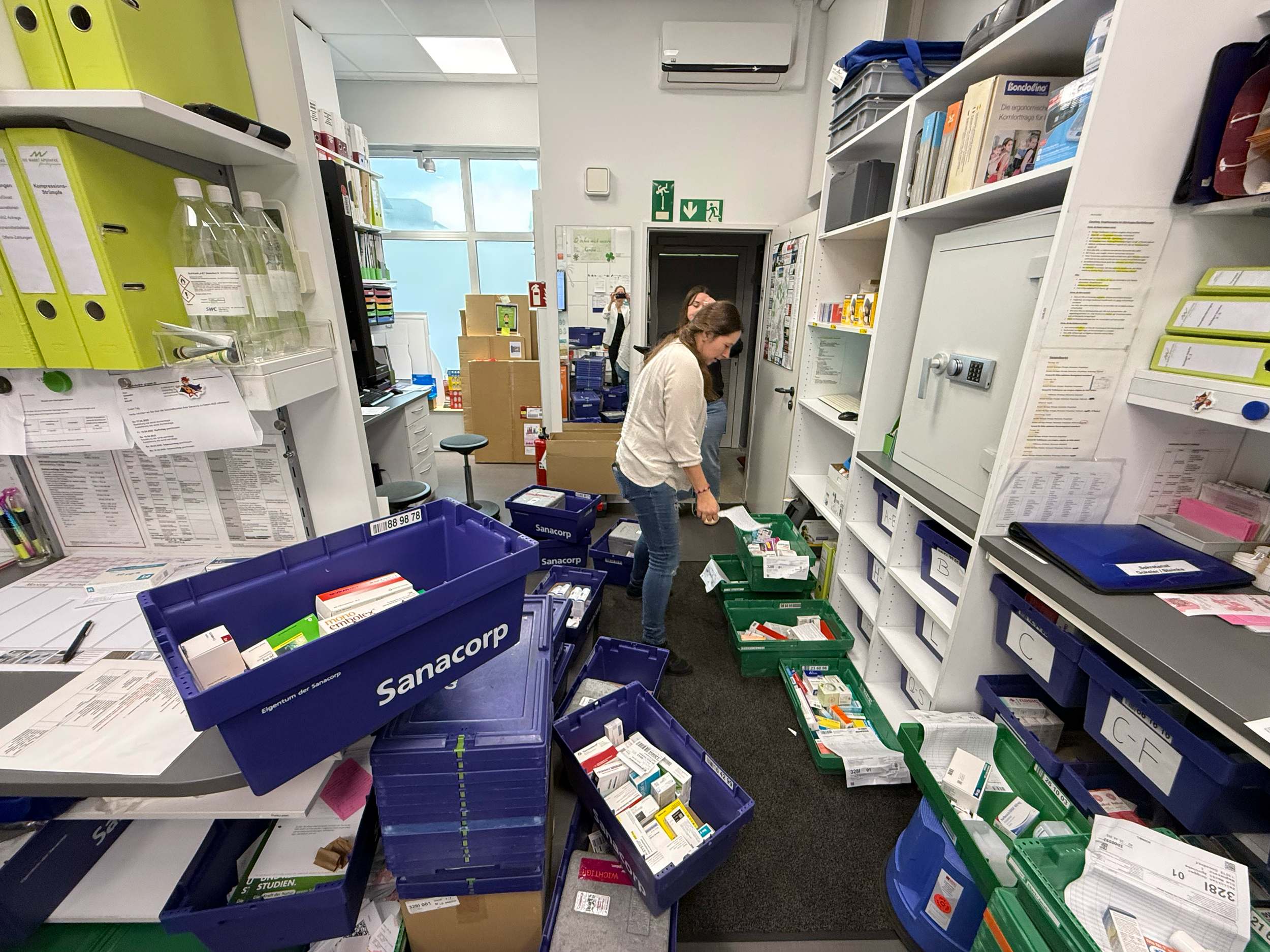
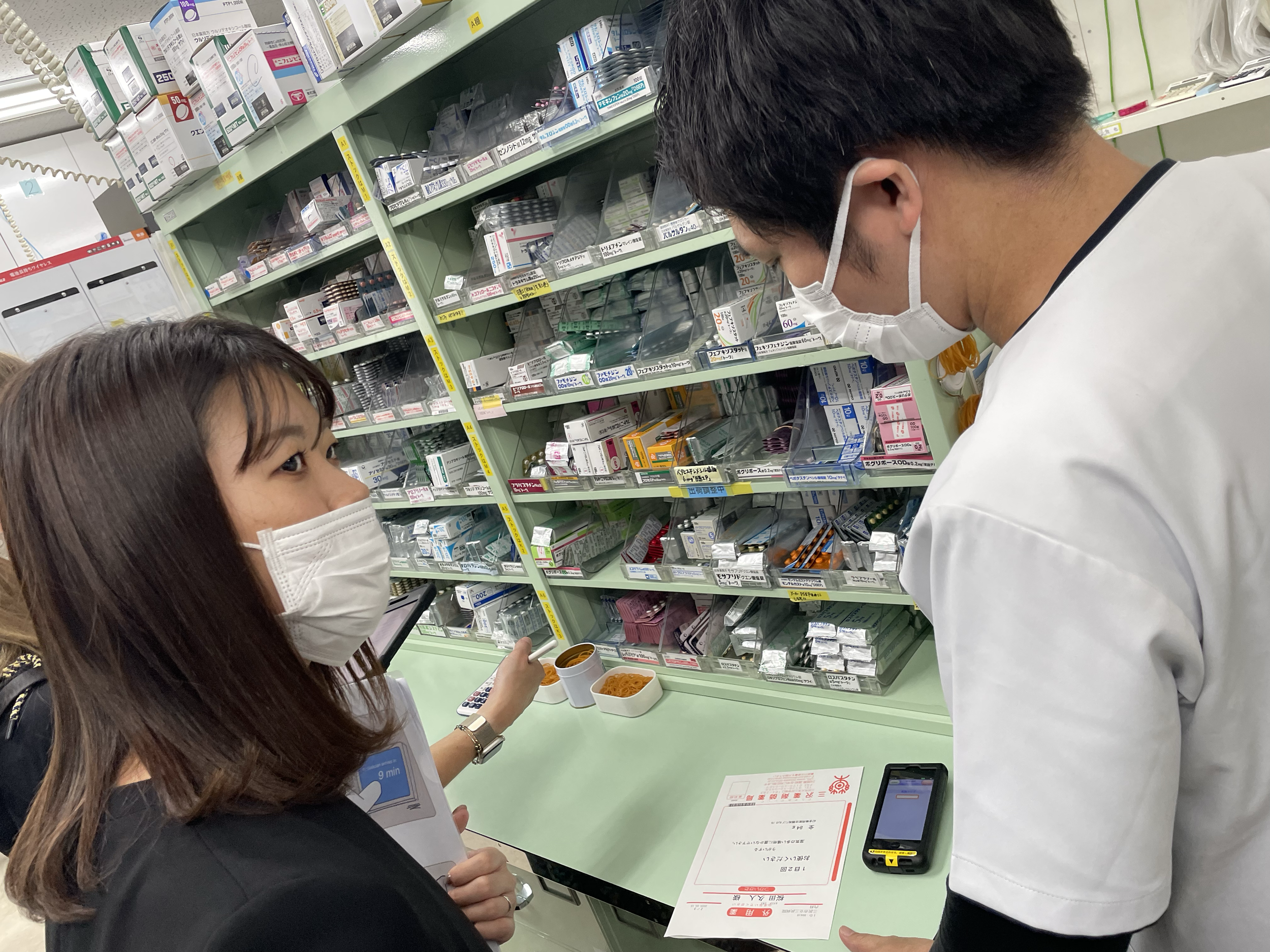
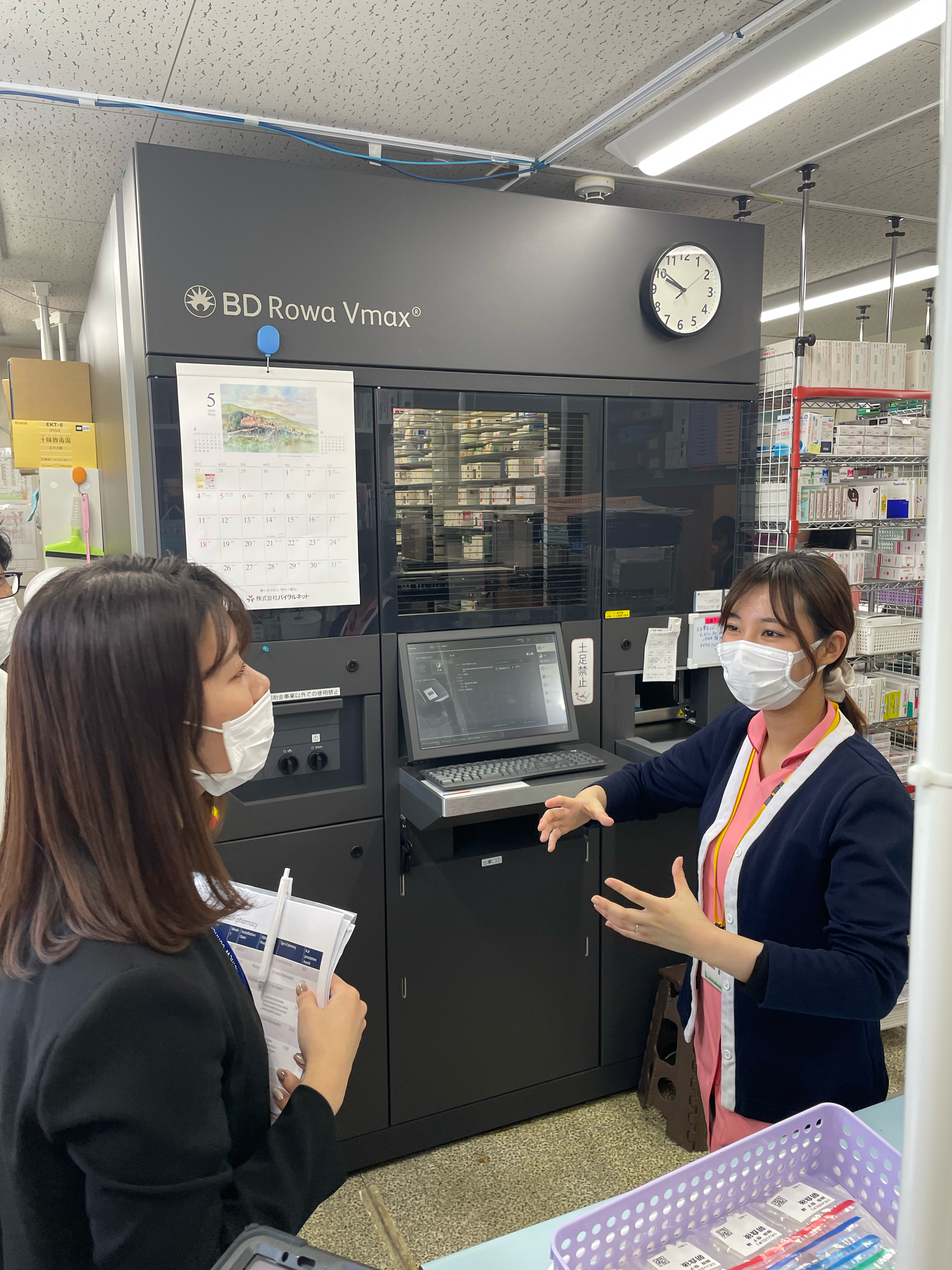
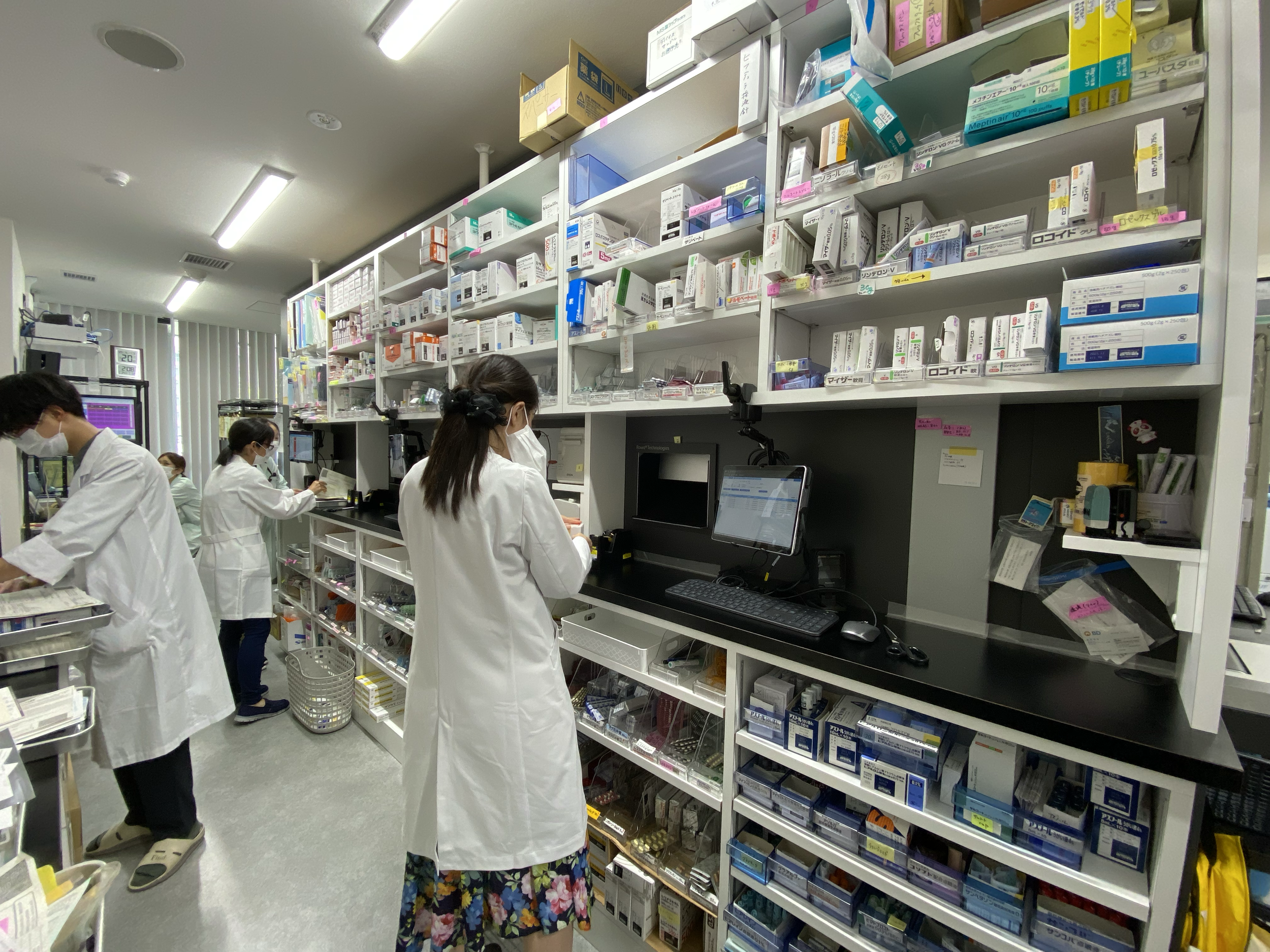
Observation and shadowing in 18 pharmacies provided a detailed view of everyday workflows such as dispensing, replenishment, inventory handling and error recovery.
Approach
Contextual Interviews
Discussions with pharmacy staff across roles highlighted real behaviours, workarounds and expectations that shape how automation is used in practice.Sacrificial Concept Testing
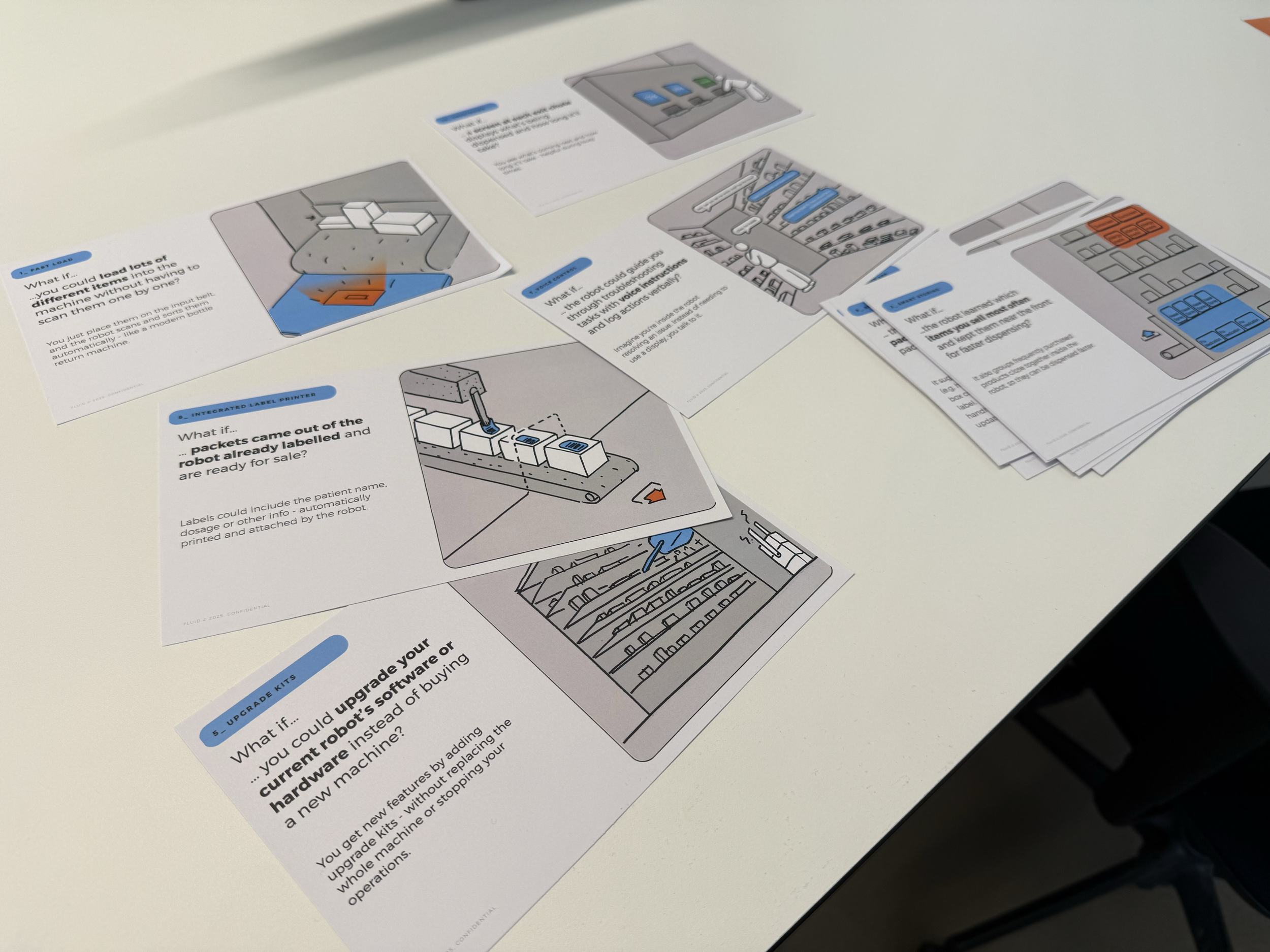
Early design provocations were used to stimulate discussion around future functionality, usability and workflow support.Opportunity Prioritisation Workshops
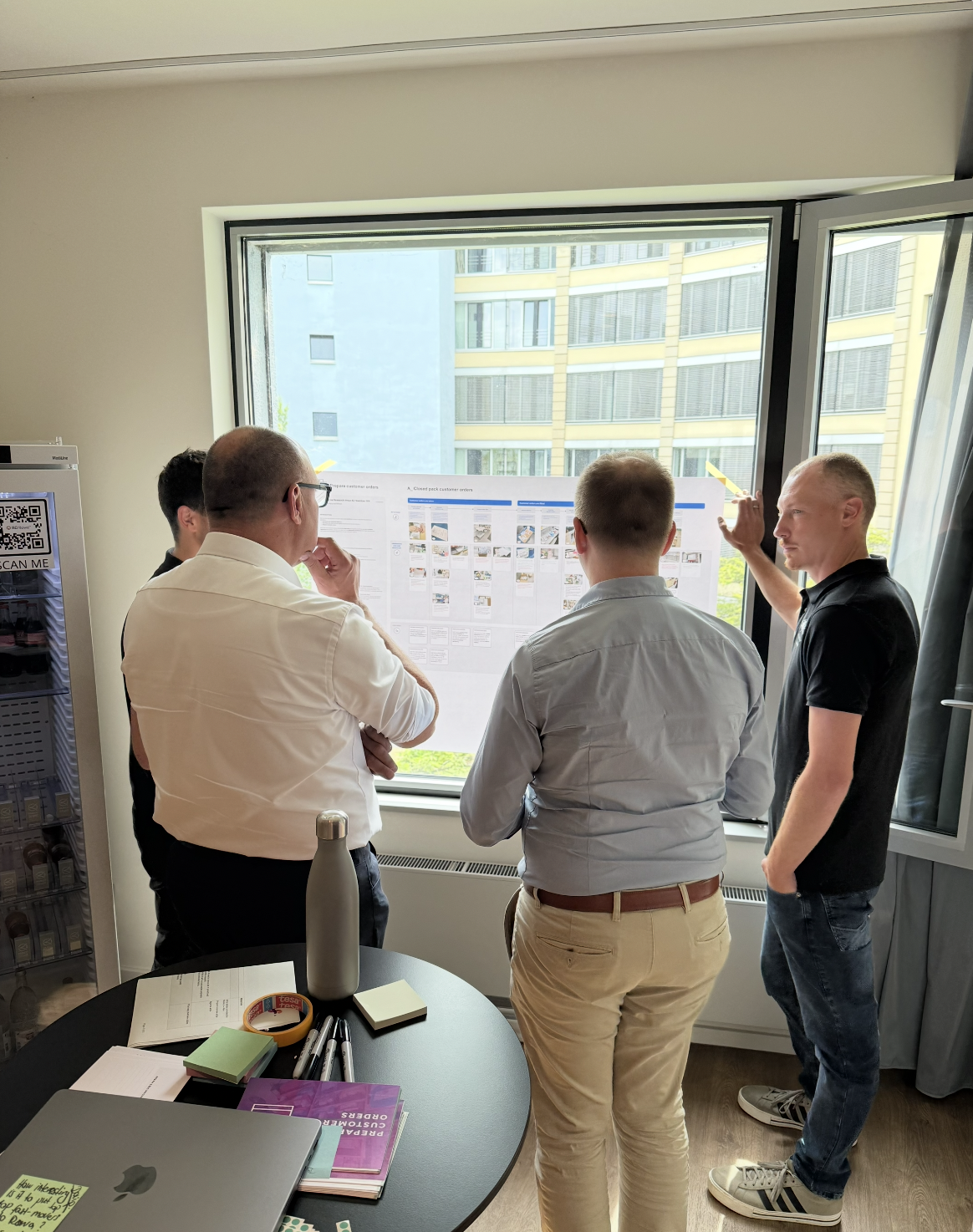
Synthesised research findings were shared with BD Rowa in workshops to identify opportunities offering the highest customer value, strategic relevance and feasibility within the two-year development window.
Workflow fit matters
Pharmacy operations remain highly manual and routine-driven, making seamless integration with existing practices essential.Confidence drives ROI
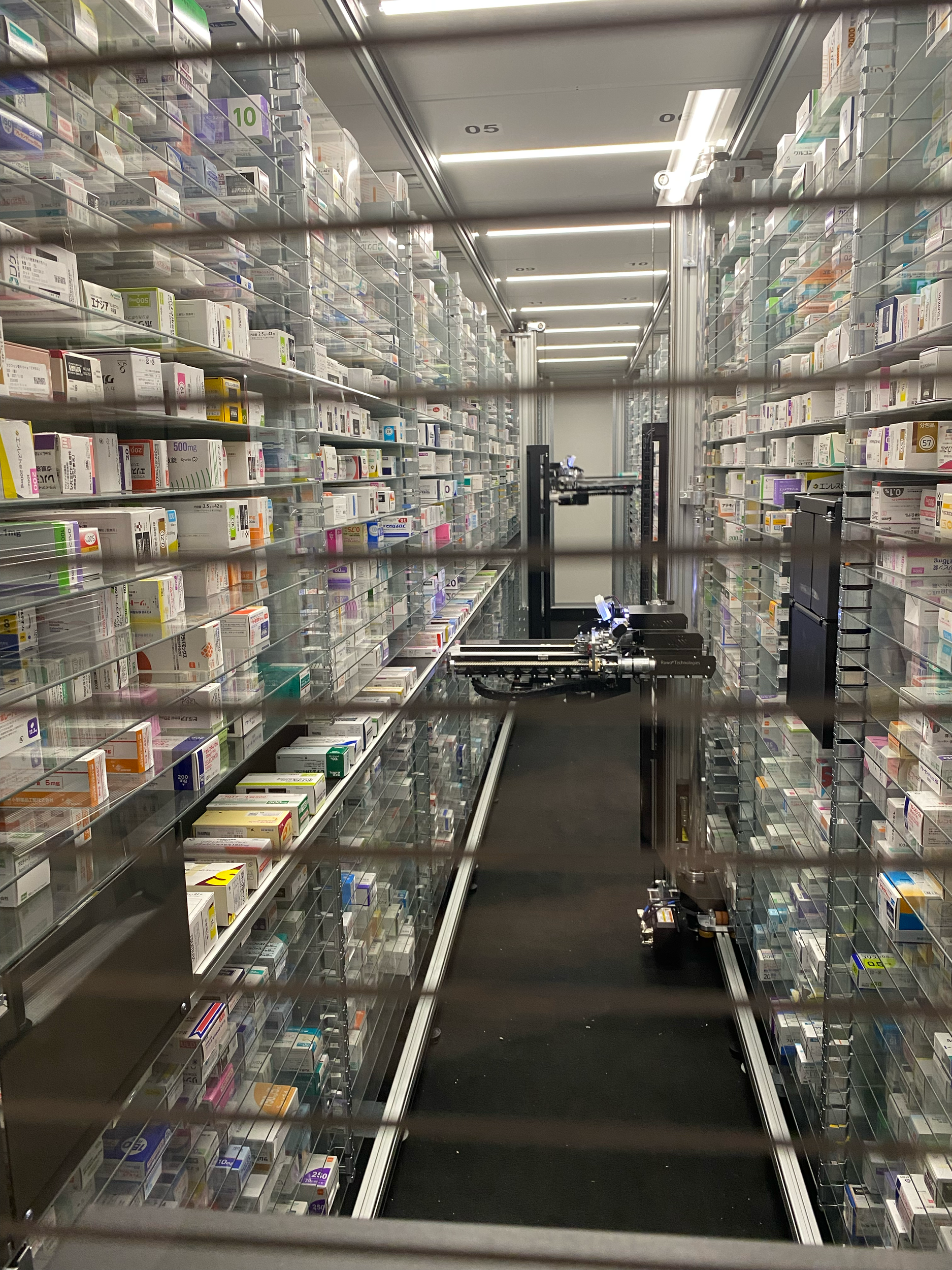
Staff trust in automation is shaped by clarity, predictability and the machine’s ability to handle everyday pressures reliably.Value lies beyond the machine
High-impact opportunities often sit in the surrounding ecosystem, including stock handling, error recovery and communication flows.Universal user needs across markets
Despite cultural differences, core needs around efficiency, space, autonomy and reliability are remarkably consistent.
Key Insights
The research created a clear foundation for the next generation of pharmacy automation by revealing how real-world workflows differ from internal assumptions. It equipped the team with evidence-based priorities rooted in staff behaviors, friction points and operational realities across four countries.
The work resulted in:
high-impact design opportunities aligned with real pharmacy needs
a clearer understanding of workflow gaps and user behaviors
prioritisation of improvements feasible within the development timeline
stronger alignment between research, product and engineering teams
insights that shaped both the roadmap and a follow-up quantitative study
The outcome is a user-grounded direction for future automation systems that help staff work more efficiently, confidently and consistently.
Impact